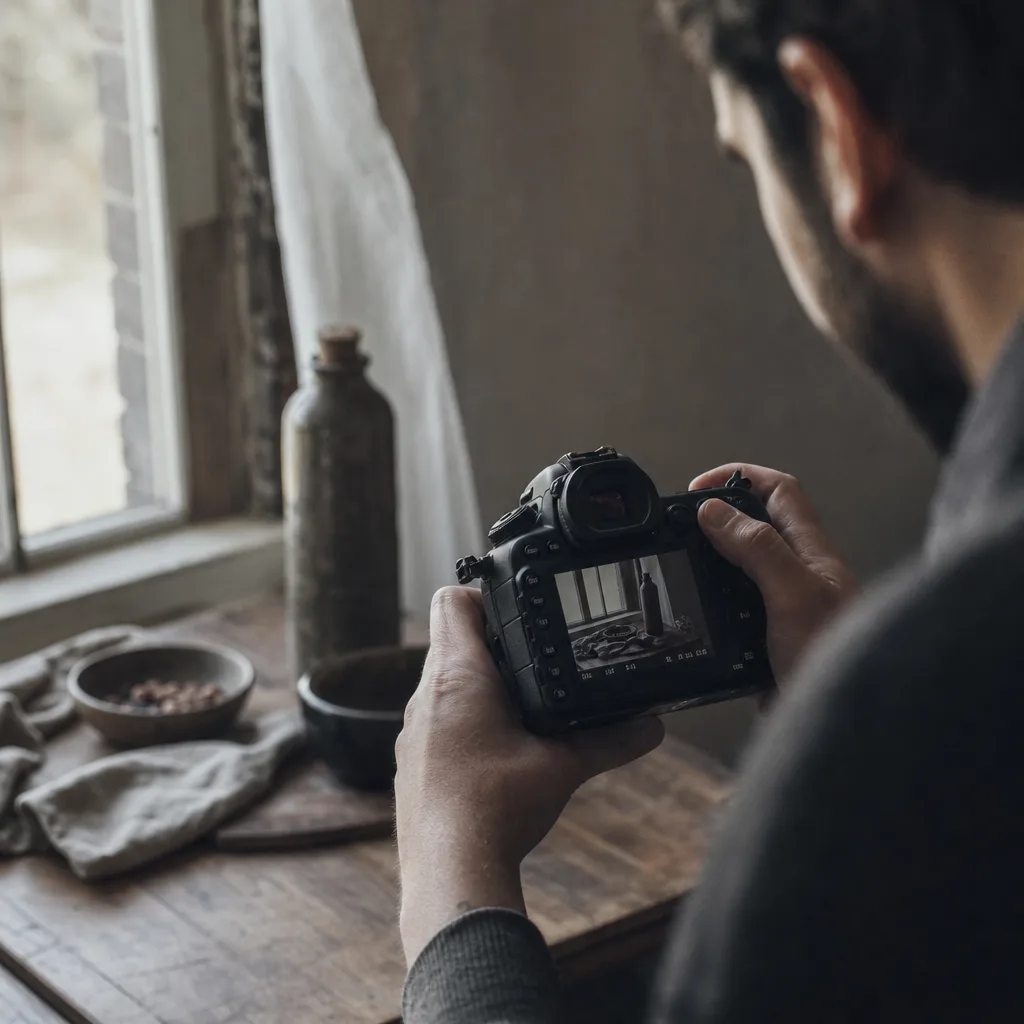
Aperture, shutter speed, and ISO explained through real frames instead of diagrams you forget by lunch.
Every photograph is a negotiation between three settings, and once you feel how they trade off you can stop shooting in auto for good. Aperture controls how much of the scene is in focus, shutter speed decides whether motion freezes or blurs, and ISO brightens the result at the cost of noise. Change one and you usually compensate with another to keep the exposure the same.
The fastest way to learn is to lock two settings and move only the third. Put the camera in aperture priority, shoot the same subject at f/1.8, f/5.6, and f/11, and watch the background go from creamy to crisp. Then switch to shutter priority and photograph running water at 1/1000s and 1/15s to see motion freeze and then smear into silk. ISO is the setting to raise last, only when aperture and shutter cannot gather enough light, since modern sensors handle ISO 3200 far better than the noise myths suggest.
Swap in your own practice frames and the settings under each one. Seeing your own exposures side by side makes the triangle click faster than any chart.